-
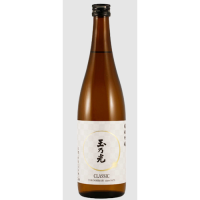
This 'classic' sake has a rich and pillowy texture, pleasant acidity and great depth of flavor. The Yamahai brewing method is utilized, which doubles the skill and time required to brew - the Yamahai method employs strict temperature and cleanliness controls to foster the growth of a rich, healthy and natural brew high in peptides and umami components as well as natural lactic acid. This sake is best enjoyed warmed in the winter, but chilling draws out a tight vibrancy that is positively delicious.
-
Tamanohikari uses Bizen-Omachi rice, a rare variety regarded as the best rice for making sake. The nose is very floral with notes of pear, spicy nutmeg, and a hint of anise. Cottony flavors of nuts, banana, and pear dance on the tongue and fall to a pleasant, pillowy dryness.
-
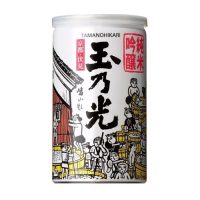
This Junmai Ginjo grade canned sake has a natural acidity balanced with soft and savory Umami characteristics. Has light flower and grain notes on the nose, and a refreshing medium-short finish. Popular for Izakaya and Ramen shops.
-
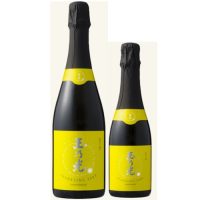
Tamano Hikari Brewery's first sparkling sake, crafted through in-bottle secondary fermentation. This lightly cloudy sparkling sake boasts natural bubbles, complemented by the umami and subtle sweetness typical of sake. It stimulates the palate and is ideal not only as an aperitif or toast, but also as a versatile pairing throughout a meal.