Our Portfolio
…Under Construction
All Wholesale / Distribution Products
-
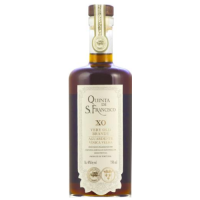
Made with Boal Alicante and Malvasia Rei grapes. Fruity aromas, delicate with notes of honey and vanilla. Taste is intense with hints of wood supported by smooth tannins
-
From Obidos DOC, Lisboa, Portugal, made of Vital (85%), Fernão Pires (5%) and Arinto (10%), this white wine is delightfully summer. Bright and happy notes of fruit and sunshine with white flowers on the nose.
-
This dry red wine is characterized by its deep red color and rich flavor. Cherry and blackberry fruit characterize its fine bouquet. A balanced red wine with a strong body. Trocken means "dry," meaning that this usually sweet grape is fermented all the way through.
-
This Cho-Karakuchi (Super-Dry) junmai is made with begonia flower yeast. The sake is light and clean-tasting, yet sharp. A pleasant dryness lingers with an impression of fresh mint, as though it were plucked from a garden.
-
This Go-Dan Jikomi method of brewing sake is fairly rare in Japan. Most sake is made in the 3-step process. This sake is made in the 5-step process, which gives the sake more richness, deeper flavor, and more viscosity. Lucious notes of honeysuckle, lychee, and mushroom on the nose, with flavors of sweet rice and faint cherry blossom.
-
Ryujin means "Dragon God," in reference to the body of water their brewery sits atop. This sake is fresh and fruit-forward with a plush, cream-like mouthfeel. Flavors languish in your mouth with a slow burn that will suddenly fade into nothingness for a beautifully clean finish, calling for a second glass. To be served exclusively in restaurants, so one may truly appreciate the image of versatility and artistry in which Ryujin's Kakushi Ginjo was crafted.
-
It takes the whole yuzu fruit - flesh, seeds and peel - to give this Yuzu Sake its rich and fresh taste. SAKARI only uses yuzu from Kochi and Kagoshima, known for their high quality citrus fruits. By making full use of the tartness, slight bitterness, and flavor peculiar to Yuzu, and using junmai sake as raw materials, the refined umami and moderate sweetness creates a delightfully rounded harmony. So deliciously fresh, you'll feel like you're on a vacation in sunny southern Japan. Vegetarian, Gluten-free, and Preservative-free!
-
Made from superior water that flows from the Kawabe River and local Sagara village rice. Multiple distilled to a Honkaku Shochu of 24% ABV. Incredibly mineral-driven. Crisp and clean and pure, this shochu redefines shochu drinking. We recommend savoring the delicate flavor of Kawabe while imagining summer fireflies flitting over the cool, pure waters of the Kawabe River. Serve at room temperature, chilled, or on the rocks- it is always a delight.
-
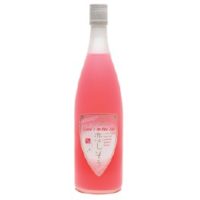
An unique and refreshingly bittersweet low-calorie liqueur. Sengetsu Shochu is blended with healthy Kumamoto-grown red shiso. The deep red blush and flavor are achieved without coloring agents, additives, or preservatives. Koishiso is enjoyable on the rocks, with club soda, and on vanilla ice cream.
-
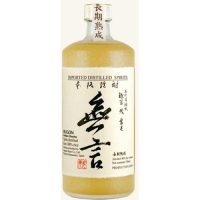
Mugon means "Silence" in Japanese. That's the overall impossible feeling you will have after one sip. Sengetsu Shuzo's premium Rice Shochu sleeps in barrels of Kokuji (Evergreen Oak) for over ten years, lending it a peculiar and addictive flavor, a mellow aroma, and an impossibly round character. Pours a light, lovely amber color.
-
6-year, barrel-aged rice shochu from Kumamoto, Japan. From the many oak barrels resting in the storage warehouse of Sengetsu Shuzo, a selection of long-aged spirits over 6 years old has been carefully chosen. These have been blended by an experienced toji (master brewer) in exquisite proportions. This is a fine product that allows you to enjoy the fusion of the rich aroma of oak barrels that have matured over many years with the taste of rice shochu. It is recommended to enjoy it on the rocks or with soda. Only oak barrels made in-house are used; no second-hand barrels from other companies are ever used.
-
“Shinobu” means “forbearance” in Japanese. It symbolises the samurai spirit, which is not unlike the crafting of fine spirits, a process that requires time, patience and perseverance.