-
This plush, velvety Nigori sake was previously a treat only available to individuals who could visit the Kunizakari Brewery. It has a calming and rustic flavor that is highly enjoyable chilled or on ice.
-
The name “Michinoku Onikoroshi” comes from the phrase “dry enough to kill demons”. Extremely dry sake with +10 dryness level. Delicious at any temperature – the brisk taste is highlighted when chilled and, when warmed up, it becomes more mellow. Great with a wide range of dishes.
-
Nanbu Bijin means, "Southern Beauty." Using locally grown Ginotome rice, this sake is rich but refreshing, and long lasting with a subtle velvety texture, as well as their savory umami on the mid palate. There is an intensity of aromas including quality rice notes, fruity, floral, and grainy characters, along with marshmallows. Neat, clean, and crafted to pair with a wide range of food, excellent at any temperature.
-
“Nama Genshu” means sake which is unpasteurized and undiluted. Sake is almost always pasteurized twice and water is added to adjust aroma and flavor, to lower alcohol content before bottling, but this sake does not go through those processes and retained its integral structure and body.
-
One of E-Corp's best selling off-premise sake- known for its striking label and great value. This sake's main traits are the great rustic rice flavor and soft mouthfeel, with a dry and light aftertaste. Easy to drink.
-
This is a very neutral, rice-driven sake which is on the dry side. Very rough-and-ready. The label has two funny oni (demons) scarfing sake on it. It's contained in a brick-pack (think: paper milk carton) with a plastic-wrapped straw included. Drinking it brings back memories of elementary school juice boxes... only more adult-like.
-
This is a light partially dry sake is a shiboritate (just-pressed style) that preserves the fresh flavor and aroma of freshly-squeezed ingredients. Think of it like a Beaujolais. It has a refreshing taste and smooth finish. The label has two funny oni (demons) scarfing sake on it. It's contained in a brick-pack (paper milk carton) with a plastic-wrapped straw included. Drinking it brings back memories of elementary school juice boxes... only more adult-like.
-
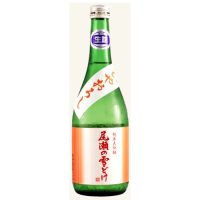
The best sakamai, Yamadanishiki was polished down to 50% of original size, this seasonal limited Hiyaoroshi sake has an enticing and elegant aroma of peach and pineapple. Its delicate sweet and sour flavor finishes nicely and smoothly in your mouth.
-
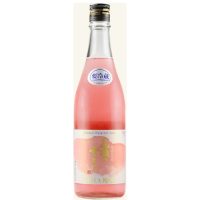
A lovely rose-colored sake that exists within a sphere of balance between sweet and tart, and has a flavor that resembles strawberries and honeydew melon. Brewed with the exceedingly difficult-to-use red yeast, it has been said that if a Junmai Daiginjo is the most difficult grade of sake to brew, this Rosé Junmai Daiginjo was 10 times as difficult, so many brewers are unable to work with it. For ultimate fruity freshness, keep refrigerated.
-
This Cho-Karakuchi (Super-Dry) junmai is made with begonia flower yeast. The sake is light and clean-tasting, yet sharp. A pleasant dryness lingers with an impression of fresh mint, as though it were plucked from a garden.
-
This Go-Dan Jikomi method of brewing sake is fairly rare in Japan. Most sake is made in the 3-step process. This sake is made in the 5-step process, which gives the sake more richness, deeper flavor, and more viscosity. Lucious notes of honeysuckle, lychee, and mushroom on the nose, with flavors of sweet rice and faint cherry blossom.
-
Ryujin means "Dragon God," in reference to the body of water their brewery sits atop. This sake is fresh and fruit-forward with a plush, cream-like mouthfeel. Flavors languish in your mouth with a slow burn that will suddenly fade into nothingness for a beautifully clean finish, calling for a second glass. To be served exclusively in restaurants, so one may truly appreciate the image of versatility and artistry in which Ryujin's Kakushi Ginjo was crafted.